


Nylon tubes are widely used in various industries due to their excellent mechanical properties, chemical resistance, and flexibility. As a nylon tube supplier, I often receive inquiries about the temperature range that nylon tubes can withstand. In this blog post, I will discuss the factors that affect the temperature resistance of nylon tubes and provide a general overview of the temperature range they can handle.
Factors Affecting the Temperature Resistance of Nylon Tubes
1. Nylon Type
There are different types of nylon, such as nylon 6, nylon 66, and nylon 12. Each type has its own unique properties, including temperature resistance. For example, nylon 66 generally has a higher melting point and better heat resistance compared to nylon 6. Nylon 12, on the other hand, offers good flexibility at low temperatures and is often used in applications where cold resistance is required.
2. Additives and Reinforcements
The addition of additives and reinforcements can significantly improve the temperature resistance of nylon tubes. For instance, glass fiber reinforcement can enhance the mechanical strength and heat resistance of nylon. Flame retardant additives can also be added to improve the fire resistance of the tubes, which is particularly important in applications where fire safety is a concern.
3. Wall Thickness
The wall thickness of the nylon tube can also affect its temperature resistance. Thicker walls generally provide better insulation and can withstand higher temperatures. However, thicker walls may also reduce the flexibility of the tube, so a balance needs to be struck depending on the specific application.
4. Operating Conditions
The operating conditions, such as the presence of chemicals, pressure, and exposure to sunlight, can also impact the temperature resistance of nylon tubes. For example, exposure to certain chemicals may cause the nylon to degrade at lower temperatures, while high pressure can increase the stress on the tube and reduce its temperature tolerance.
General Temperature Range of Nylon Tubes
In general, nylon tubes can withstand a temperature range from approximately -40°C to 100°C (-40°F to 212°F). However, this range can vary depending on the factors mentioned above.
- Low Temperature Resistance: Nylon tubes can maintain their flexibility and mechanical properties at low temperatures. Some nylon types, such as nylon 12, are specifically designed to perform well in cold environments. They can withstand temperatures as low as -40°C without becoming brittle or cracking.
- High Temperature Resistance: The upper temperature limit of nylon tubes depends on the type of nylon and the presence of additives. Nylon 66, for example, can typically withstand temperatures up to 100°C continuously. However, with the addition of heat stabilizers and other additives, the temperature resistance can be increased. In some cases, reinforced nylon tubes can withstand temperatures up to 150°C or even higher for short periods.
Applications of Nylon Tubes in Different Temperature Environments
1. Low Temperature Applications
Nylon tubes are commonly used in applications where low temperatures are encountered, such as in refrigeration systems, cold storage facilities, and outdoor equipment. In these applications, the ability of the nylon tube to maintain its flexibility and mechanical integrity at low temperatures is crucial. For example, in a refrigeration system, the nylon tube is used to transport refrigerant, and it needs to be able to withstand the cold temperatures without cracking or leaking.
2. High Temperature Applications
Nylon tubes are also used in applications where high temperatures are present, such as in automotive engines, industrial machinery, and hydraulic systems. In these applications, the nylon tube needs to be able to withstand the heat generated by the equipment without deforming or losing its strength. For example, in an automotive engine, the nylon tube is used to transport coolant, and it needs to be able to withstand the high temperatures generated by the engine.
Choosing the Right Nylon Tube for Your Application
When choosing a nylon tube for your application, it is important to consider the temperature range, as well as other factors such as pressure, chemical resistance, and flexibility. Here are some tips to help you choose the right nylon tube:

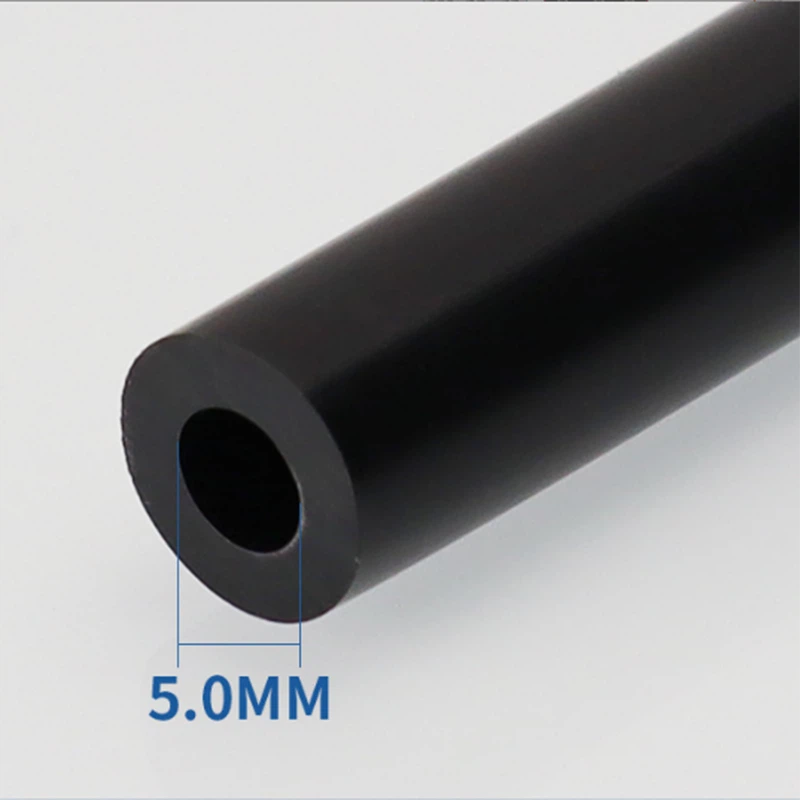
- Understand Your Application Requirements: Determine the temperature range, pressure, and chemical environment of your application. This will help you select the appropriate nylon type and additives.
- Consider the Wall Thickness: Choose a wall thickness that provides the necessary strength and flexibility for your application. Thicker walls may be required for high-pressure or high-temperature applications.
- Look for Quality and Certification: Ensure that the nylon tube you choose meets the relevant industry standards and certifications. This will ensure that the tube is safe and reliable for your application.
Conclusion
In conclusion, the temperature range that nylon tubes can withstand depends on various factors, including the nylon type, additives, wall thickness, and operating conditions. In general, nylon tubes can withstand a temperature range from -40°C to 100°C, but this range can vary depending on the specific application. As a nylon tube supplier, we offer a wide range of nylon tubes that are designed to meet the diverse needs of our customers. Whether you need a nylon tube for a low-temperature or high-temperature application, we can provide you with the right solution.
If you are interested in purchasing nylon tubes or have any questions about our products, please feel free to contact us. We are committed to providing our customers with high-quality products and excellent customer service.
References
- "Nylon: Properties and Applications." Polymer Science Learning Center.
- "Temperature Resistance of Nylon Materials." Engineering Plastics Handbook.
For more information about our nylon tubes, you can visit our product pages: 3 8 Nylon Tubing and High Pressure Fog Machine System Nylon Tube. If you have any specific requirements or want to discuss a potential purchase, don't hesitate to reach out to us for a detailed consultation.


