


When it comes to the world of industrial and commercial spraying applications, fan spray nozzles are a staple. As a supplier of fan spray nozzles, I've had the privilege of witnessing firsthand the diverse uses and challenges these components face. One of the most frequently asked questions I encounter is about the lifespan of fan spray nozzles. In this blog post, I'll delve into the factors that influence the lifespan of fan spray nozzles, share some insights on how to extend their use, and provide some general guidelines on what to expect.
Factors Affecting the Lifespan of Fan Spray Nozzles
1. Material Quality
The material from which a fan spray nozzle is made plays a crucial role in determining its lifespan. Nozzles can be crafted from a variety of materials, including stainless steel, brass, plastic, and ceramic. Stainless steel nozzles are known for their corrosion resistance and durability, making them suitable for harsh environments where exposure to chemicals or high - pressure water is common. Brass nozzles offer a good balance between cost and performance, but they may corrode over time if exposed to certain chemicals. Plastic nozzles are lightweight and inexpensive, but they may not withstand high - pressure applications or extreme temperatures as well as metal or ceramic nozzles. Ceramic nozzles, on the other hand, are extremely hard and resistant to wear, making them ideal for applications where abrasive materials are being sprayed.
2. Operating Conditions
The conditions under which a fan spray nozzle operates can significantly impact its lifespan. High - pressure applications can cause wear and tear on the nozzle, especially if the pressure is not properly regulated. For example, if a nozzle is designed to operate at a maximum pressure of 50 psi and is subjected to 100 psi, it may experience premature failure. Similarly, the temperature of the fluid being sprayed can also affect the nozzle. Extreme temperatures can cause the material of the nozzle to expand or contract, leading to cracks or other forms of damage.
3. Fluid Properties
The properties of the fluid being sprayed are another important factor. If the fluid contains abrasive particles, such as sand or grit, it can cause the nozzle to wear out more quickly. Chemicals in the fluid can also corrode the nozzle material. For instance, acidic or alkaline solutions can eat away at the surface of the nozzle, reducing its lifespan.
4. Maintenance and Cleaning
Regular maintenance and cleaning are essential for extending the lifespan of fan spray nozzles. Over time, debris can accumulate inside the nozzle, causing blockages and affecting the spray pattern. By cleaning the nozzle regularly, you can prevent these blockages and ensure that the nozzle continues to operate efficiently. Additionally, proper storage of the nozzle when not in use can also help to prevent damage.
Average Lifespan of Fan Spray Nozzles
It's difficult to provide an exact lifespan for fan spray nozzles, as it can vary widely depending on the factors mentioned above. However, in general, a well - maintained fan spray nozzle made from high - quality materials can last anywhere from several months to several years.
For example, in a low - pressure, clean - fluid application, a plastic fan spray nozzle may last 6 - 12 months. A brass nozzle in a similar application could last 1 - 2 years, while a stainless - steel or ceramic nozzle may last 2 - 5 years or more. In high - pressure or abrasive applications, the lifespan of the nozzles will be significantly shorter.
Extending the Lifespan of Fan Spray Nozzles
1. Choose the Right Nozzle
Selecting the appropriate nozzle for your application is the first step in ensuring a long lifespan. Consider the material, size, and spray pattern that best suit your needs. For example, if you're spraying a corrosive chemical, a stainless - steel or ceramic nozzle would be a better choice than a brass or plastic one.
2. Monitor Operating Conditions
Keep a close eye on the pressure, temperature, and flow rate of the fluid being sprayed. Make sure that the nozzle is operating within its recommended parameters. If necessary, install pressure regulators or temperature control devices to maintain optimal conditions.
3. Implement a Maintenance Schedule
Establish a regular maintenance schedule for your fan spray nozzles. This should include cleaning the nozzles at regular intervals, inspecting them for signs of wear or damage, and replacing any worn - out parts.
4. Use Filters
Install filters in the fluid supply line to prevent debris from entering the nozzle. This can help to reduce wear and blockages, extending the lifespan of the nozzle.
Our Product Range
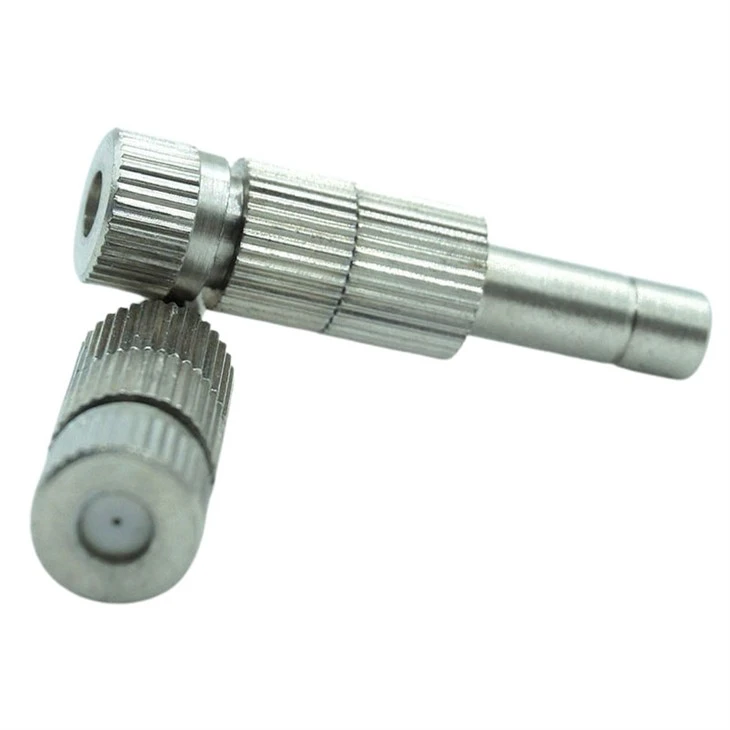
As a fan spray nozzle supplier, we offer a wide range of products to meet the diverse needs of our customers. Some of our popular products include the Slip Lock Misting Nozzle, which is designed for low - pressure misting applications. It features a slip - lock design for easy installation and removal.
We also offer the Mist Nozzle End Plug 10/24 Thread, which is used to seal the end of a misting line. This plug is made from high - quality materials to ensure a tight seal and long - term durability.
Another popular product is the Slip Lock Misting Kit Low Pressure Nozzle, which includes everything you need to set up a low - pressure misting system.
Contact Us for Your Fan Spray Nozzle Needs
If you're in the market for fan spray nozzles, we'd love to hear from you. Our team of experts can help you choose the right nozzle for your application and provide you with all the information you need to ensure its long - term performance. Whether you're a small business or a large industrial operation, we have the products and expertise to meet your needs.

References
- Smith, J. (2018). Industrial Spraying Technology. Springer.
- Johnson, R. (2020). Handbook of Nozzle Technology. Wiley.


