


When it comes to the world of industrial and commercial applications, nylon tubes have carved out a significant niche for themselves. As a dedicated nylon tube supplier, I've witnessed firsthand the diverse uses and the critical role these tubes play in various systems. One of the key properties that often comes under scrutiny is the dielectric strength of a nylon tube. In this blog, we'll delve into what dielectric strength means, how it pertains to nylon tubes, and why it matters in different applications.
Understanding Dielectric Strength
Dielectric strength is a measure of the electrical insulating properties of a material. It represents the maximum electric field that a dielectric material can withstand without breaking down and allowing current to flow through it. In simpler terms, it's the ability of a material to resist the flow of electricity. When an electric field is applied to a dielectric material, the electrons within the material are displaced slightly, creating an electric dipole. However, if the electric field becomes too strong, the electrons can be pulled free from their atoms, leading to a breakdown of the insulating properties and the formation of an electrical arc.
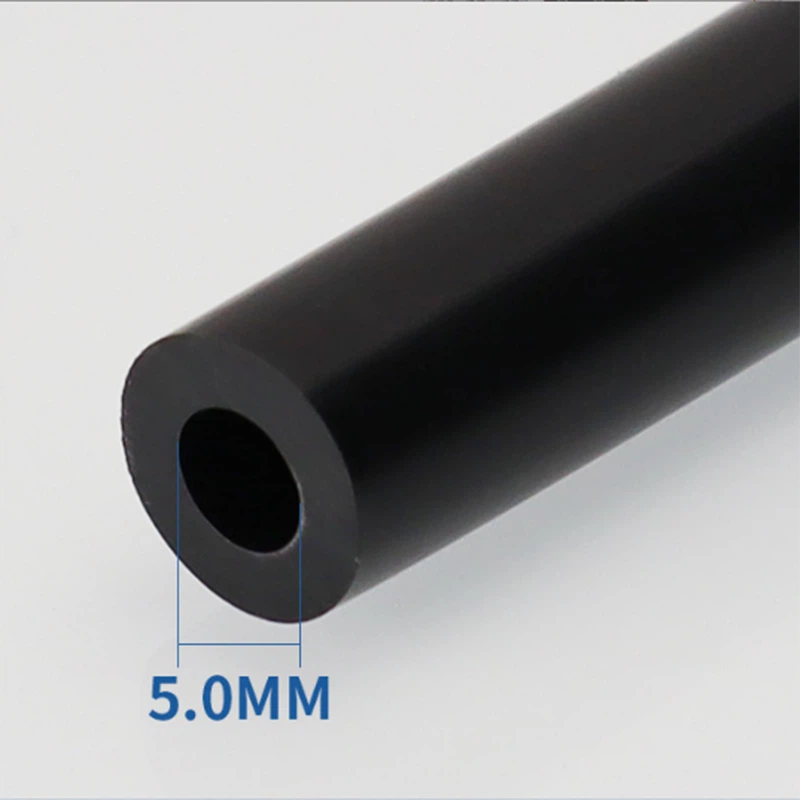

The dielectric strength is typically expressed in volts per unit thickness, such as volts per millimeter (V/mm) or kilovolts per millimeter (kV/mm). A higher dielectric strength indicates a better insulating material, as it can withstand a stronger electric field before breaking down.
Dielectric Strength of Nylon Tubes
Nylon is a synthetic polymer known for its excellent mechanical properties, chemical resistance, and relatively high dielectric strength. The dielectric strength of nylon tubes can vary depending on several factors, including the specific type of nylon, its manufacturing process, and the environmental conditions in which it operates.
Generally, the dielectric strength of nylon ranges from about 15 to 30 kV/mm. This makes nylon tubes suitable for a wide range of electrical and electronic applications where electrical insulation is required. For example, in high - voltage systems, nylon tubes can be used to insulate wires and cables, preventing electrical leakage and short circuits.
The specific type of nylon used in the tube can have a significant impact on its dielectric strength. Nylon 6 and Nylon 6/6 are two of the most commonly used types of nylon in tube manufacturing. Nylon 6 has a slightly lower dielectric strength compared to Nylon 6/6, but both offer good insulation properties. The manufacturing process can also affect the dielectric strength. Tubes that are extruded under precise conditions with uniform wall thickness are likely to have more consistent dielectric properties.
Factors Affecting Dielectric Strength
Temperature
Temperature plays a crucial role in the dielectric strength of nylon tubes. As the temperature increases, the dielectric strength of nylon tends to decrease. This is because higher temperatures cause the molecules in the nylon to vibrate more vigorously, making it easier for electrons to break free and conduct electricity. In high - temperature environments, it's essential to choose a nylon tube with a higher dielectric strength or to implement additional cooling measures to maintain the integrity of the insulation.
Moisture
Moisture can also have a detrimental effect on the dielectric strength of nylon tubes. When nylon absorbs moisture, it becomes more conductive, reducing its ability to insulate. This is particularly important in applications where the tubes are exposed to humid conditions or may come into contact with water. To mitigate the effects of moisture, some nylon tubes are treated with hydrophobic coatings or additives to prevent water absorption.
Contamination
Contamination from dust, dirt, or chemicals can also reduce the dielectric strength of nylon tubes. These contaminants can create conductive paths on the surface of the tube, allowing current to flow and potentially causing a breakdown. Regular cleaning and maintenance of the tubes are essential to ensure their long - term dielectric performance.
Applications of Nylon Tubes Based on Dielectric Strength
Electrical Wiring and Cabling
In the electrical industry, nylon tubes are widely used for insulating wires and cables. Their high dielectric strength helps to prevent electrical interference and short circuits, ensuring the safe and efficient operation of electrical systems. For example, in power distribution networks, nylon tubes can be used to protect high - voltage cables from environmental factors and to provide additional insulation.
Electronic Devices
In electronic devices, nylon tubes are used to insulate components and prevent electrical leakage. They can be found in everything from small consumer electronics to large industrial control systems. The dielectric strength of nylon tubes ensures the reliability and stability of these devices, reducing the risk of malfunctions due to electrical issues.
High - Pressure Fog Machine Systems
Nylon tubes are also commonly used in High Pressure Fog Machine System Nylon Tube. In these systems, the tubes need to withstand high pressures while also providing electrical insulation. The dielectric strength of nylon tubes helps to prevent electrical shock and ensures the safe operation of the fogging system.
3/8 Nylon Tubing
3 8 Nylon Tubing is another popular option in various applications. Its specific size and dielectric properties make it suitable for use in pneumatic systems, hydraulic systems, and other applications where electrical insulation and fluid transfer are required.
Importance of Dielectric Strength in Nylon Tube Selection
When selecting a nylon tube for a particular application, the dielectric strength is a critical factor to consider. Choosing a tube with a dielectric strength that is too low can lead to electrical breakdown, which can cause equipment failure, safety hazards, and costly repairs. On the other hand, selecting a tube with an unnecessarily high dielectric strength may result in higher costs without providing any additional benefits.
It's essential to assess the electrical requirements of the application, including the voltage levels, environmental conditions, and potential sources of electrical stress. Based on these factors, the appropriate nylon tube with the right dielectric strength can be selected to ensure optimal performance and reliability.
Why Choose Our Nylon Tubes
As a nylon tube supplier, we take pride in offering high - quality nylon tubes with consistent dielectric strength. Our manufacturing process is carefully controlled to ensure uniform wall thickness and excellent insulation properties. We use only the highest - grade nylon materials and implement strict quality control measures to guarantee the performance of our tubes.
Whether you need nylon tubes for electrical insulation, fluid transfer, or any other application, we have the expertise and the product range to meet your needs. Our team of experts can provide you with technical support and guidance to help you select the right nylon tube for your specific requirements.
Contact Us for Procurement
If you're interested in purchasing nylon tubes for your project, we invite you to get in touch with us. We're ready to discuss your needs, provide samples, and offer competitive pricing. Our goal is to be your trusted partner in nylon tube supply, ensuring that you receive the best products and service.
References
- "Polymer Science and Technology" by Charles A. Daniels
- "Handbook of Nylon Plastics" by Melvin I. Kohan
- Industry standards and technical literature on nylon materials and their electrical properties.


