


Repairing a damaged nylon tube can be a straightforward process if you have the right tools and follow the correct steps. As a nylon tube supplier, I've seen firsthand the importance of being able to fix these tubes efficiently to minimize downtime and costs. In this blog post, I'll guide you through the process of repairing a damaged nylon tube, from identifying the problem to completing the repair.
Identifying the Problem
The first step in repairing a damaged nylon tube is to identify the source of the problem. There are several common issues that can cause damage to nylon tubes, including:
- Cuts and Tears: These can occur due to sharp objects or improper handling.
- Punctures: Small holes can be caused by nails, screws, or other sharp objects.
- Kinks and Bends: Excessive bending or kinking can weaken the tube and cause it to crack or break.
- Chemical Damage: Exposure to certain chemicals can degrade the nylon material and cause it to become brittle or soft.
To identify the problem, carefully inspect the tube for any visible signs of damage. Look for cuts, tears, punctures, kinks, or discoloration. If you're unsure whether the tube is damaged, you can also perform a pressure test to check for leaks.
Gathering the Necessary Tools and Materials
Once you've identified the problem, you'll need to gather the necessary tools and materials to complete the repair. Here's a list of items you'll typically need:
- Nylon Tube Repair Kit: These kits usually include a patch or sleeve, adhesive, and instructions for use.
- Scissors or a Utility Knife: You'll need these to cut the patch or sleeve to the appropriate size.
- Sandpaper: This will help to roughen the surface of the tube and the patch or sleeve, improving the adhesion of the adhesive.
- Clean Cloth: Use this to clean the surface of the tube before applying the patch or sleeve.
- Adhesive: Make sure to choose an adhesive that is compatible with nylon and suitable for the type of repair you're making.
- Clamps or Tape: These can be used to hold the patch or sleeve in place while the adhesive dries.
Preparing the Tube for Repair
Before you begin the repair process, it's important to prepare the tube for the patch or sleeve. Here's how:
- Clean the Surface: Use a clean cloth to wipe the surface of the tube where the patch or sleeve will be applied. This will remove any dirt, grease, or debris that could prevent the adhesive from bonding properly.
- Roughen the Surface: Use sandpaper to gently roughen the surface of the tube and the patch or sleeve. This will increase the surface area for the adhesive to bond to, improving the strength of the repair.
- Cut the Patch or Sleeve: Use scissors or a utility knife to cut the patch or sleeve to the appropriate size. Make sure it is large enough to cover the damaged area with at least 1 inch of overlap on all sides.
Applying the Patch or Sleeve
Once the tube is prepared, you can apply the patch or sleeve. Here's how:
- Apply the Adhesive: Follow the instructions on the adhesive to apply a thin, even layer to the surface of the tube and the patch or sleeve. Make sure to cover the entire area that will be in contact with the patch or sleeve.
- Position the Patch or Sleeve: Carefully place the patch or sleeve over the damaged area, aligning it with the edges of the tube. Press down firmly to ensure good contact between the patch or sleeve and the tube.
- Secure the Patch or Sleeve: Use clamps or tape to hold the patch or sleeve in place while the adhesive dries. Make sure the patch or sleeve is tightly secured to prevent any air bubbles or gaps from forming.
- Allow the Adhesive to Dry: Follow the instructions on the adhesive to determine how long it needs to dry. This can range from a few minutes to several hours, depending on the type of adhesive and the conditions.
Testing the Repair
Once the adhesive has dried, it's important to test the repair to make sure it is secure and leak-free. Here's how:
- Pressurize the Tube: If the tube is part of a system, pressurize it to the normal operating pressure. If the tube is not part of a system, you can use a hand pump or other device to apply pressure to the tube.
- Check for Leaks: Inspect the repair area carefully for any signs of leaks. Look for bubbles, drips, or other indications of a leak. If you find a leak, you may need to repeat the repair process or use a different repair method.
- Monitor the Repair: After testing the repair, monitor it for a few days to make sure it remains secure and leak-free. If you notice any problems, such as a new leak or a loose patch or sleeve, you may need to take further action.
Preventing Future Damage
To prevent future damage to your nylon tubes, it's important to take some precautions. Here are some tips:
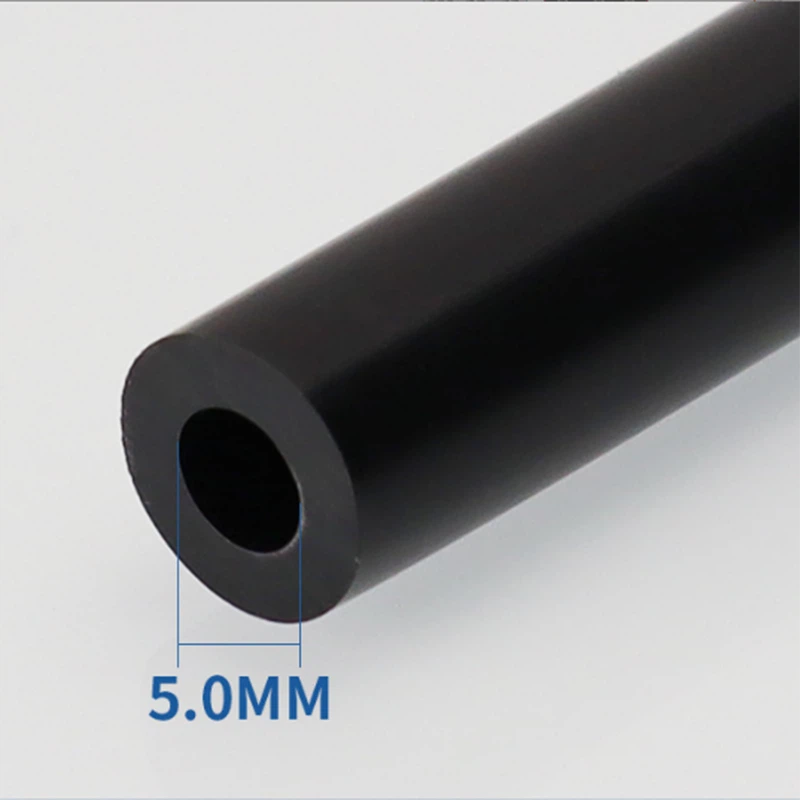

- Handle with Care: When handling nylon tubes, be careful not to bend, kink, or puncture them. Use proper tools and techniques to avoid damaging the tubes.
- Store Properly: Store nylon tubes in a cool, dry place away from direct sunlight and heat. This will help to prevent the tubes from becoming brittle or soft.
- Use Protective Covers: If your nylon tubes are exposed to sharp objects or other potential sources of damage, consider using protective covers or sleeves to prevent damage.
- Inspect Regularly: Regularly inspect your nylon tubes for any signs of damage. This will allow you to identify and repair any problems before they become serious.
Conclusion
Repairing a damaged nylon tube is a relatively simple process that can save you time and money. By following the steps outlined in this blog post, you can easily repair a damaged nylon tube and get your system up and running again. If you have any questions or need further assistance, please don't hesitate to contact us. We're here to help you find the right nylon tube solutions for your needs.
At our company, we offer a wide range of nylon tubes, including 3 8 Nylon Tubing and High Pressure Fog Machine System Nylon Tube. Our tubes are made from high-quality materials and are designed to withstand the rigors of everyday use. Whether you're looking for a tube for a misting system, a high-pressure fog machine, or any other application, we have the right solution for you.
If you're interested in learning more about our nylon tubes or would like to place an order, please contact us today. We look forward to working with you!
References
- "Nylon Tube Repair Guide." Manufacturer's Manual.
- "Preventing Damage to Nylon Tubes." Industry Best Practices.


