


As a trusted supplier of Fan Spray Nozzles, I'm excited to share a comprehensive guide on how to install a fan spray nozzle. Whether you're a DIY enthusiast or a professional in the field, this guide will walk you through the process step by step.
Understanding Fan Spray Nozzles
Before we dive into the installation process, let's briefly understand what fan spray nozzles are and their applications. Fan spray nozzles are designed to produce a flat, fan - shaped spray pattern. They are commonly used in a variety of industries, including agriculture for pesticide and fertilizer application, in industrial cleaning processes, and in misting systems for cooling and dust suppression.
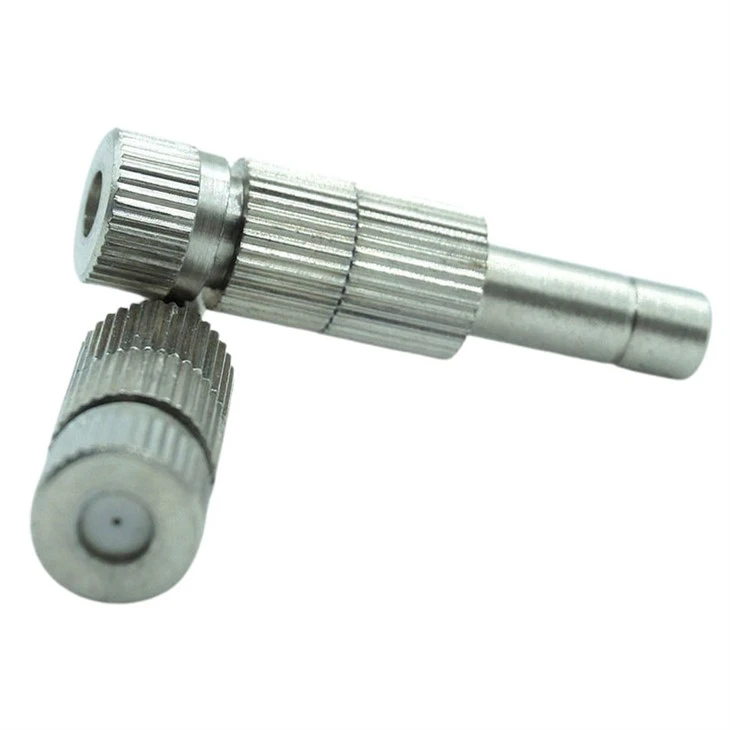
At our company, we offer a wide range of Fan Spray Nozzles that are known for their high - quality construction and efficient performance. These nozzles are made from durable materials to withstand different operating conditions.
Tools and Materials Needed
- Fan spray nozzle: Make sure you have the right type and size of the nozzle for your application.
- Wrenches: Appropriate sized wrenches to tighten the nozzle securely.
- Teflon tape: This helps to create a leak - proof seal.
- Pipe cutter (if necessary): In case you need to cut the pipe to fit the nozzle.
- Safety glasses and gloves: To protect yourself during the installation process.
Step 1: Prepare the Work Area
First, ensure that the work area is clean and free from any debris. If you're working on a pipe system, turn off the water or fluid supply to prevent any leaks or spills during the installation. Wear your safety glasses and gloves to protect yourself from potential hazards.
Step 2: Measure and Cut the Pipe (if needed)
If the existing pipe is too long or you need to create a new connection point, use a pipe cutter to cut the pipe to the appropriate length. Make sure the cut is clean and straight. You can use a deburring tool to remove any rough edges on the cut end of the pipe.
Step 3: Apply Teflon Tape
Take the Teflon tape and wrap it around the male threads of the pipe in a clockwise direction. Make sure to cover the threads evenly and tightly. This will help to create a tight seal between the pipe and the nozzle and prevent any leaks. Usually, 3 - 4 wraps of Teflon tape are sufficient.
Step 4: Install the Nozzle
Take the fan spray nozzle and align it with the pipe threads. Carefully screw the nozzle onto the pipe by hand until it is finger - tight. Then, use the appropriate sized wrench to tighten the nozzle further. Be careful not to over - tighten, as this can damage the threads or the nozzle itself. A good rule of thumb is to give the nozzle an additional 1/4 to 1/2 turn with the wrench after it is finger - tight.
Step 5: Check for Leaks
Once the nozzle is installed, turn on the water or fluid supply slowly. Check around the connection point for any signs of leaks. If you notice any leaks, turn off the supply and use the wrench to tighten the nozzle a little more. You may also need to add more Teflon tape if the leak persists.
Special Considerations for Different Systems
- Misting Systems: If you're installing a fan spray nozzle in a misting system, you may want to consider using a Slip Lock Misting Kit Low Pressure Nozzle. These kits are designed for easy installation and are suitable for low - pressure applications. The slip - lock feature allows for quick and secure connections.
- End Plug Installation: In some cases, you may need to use an end plug to close off a section of the pipe. Our Mist Nozzle End Plug 10/24 Thread is a great option for this purpose. The installation process is similar to that of the nozzle, but make sure to use Teflon tape on the male threads of the pipe before screwing on the end plug.
Maintenance Tips
- Regular Cleaning: Over time, the nozzle may become clogged with debris or mineral deposits. To maintain its performance, clean the nozzle regularly. You can soak the nozzle in a mild cleaning solution and use a small brush to remove any dirt or deposits.
- Inspection: Periodically inspect the nozzle and the connection point for any signs of wear or damage. Replace the nozzle if it shows signs of excessive wear or if it is not producing the desired spray pattern.
Conclusion
Installing a fan spray nozzle is a relatively straightforward process if you follow the right steps. By using the right tools and materials and taking the necessary safety precautions, you can ensure a successful installation. At our company, we are committed to providing high - quality fan spray nozzles and excellent customer service.

If you're interested in purchasing our fan spray nozzles or have any questions about the installation process, we encourage you to reach out to us for a detailed discussion. Our team of experts is always ready to assist you with your specific needs.
References
- "Industrial Nozzle Handbook" by James W. Beach
- Various industry standards and guidelines for pipe and nozzle installation.


