


Do brass misting nozzles cause clogging easily? That's a question I get asked a lot as a supplier of brass misting nozzles. I've seen firsthand the concerns customers have about nozzle clogging, and it's a valid worry. After all, a clogged nozzle can disrupt the misting system's performance, leading to uneven mist distribution and potentially reducing the overall effectiveness of the setup.

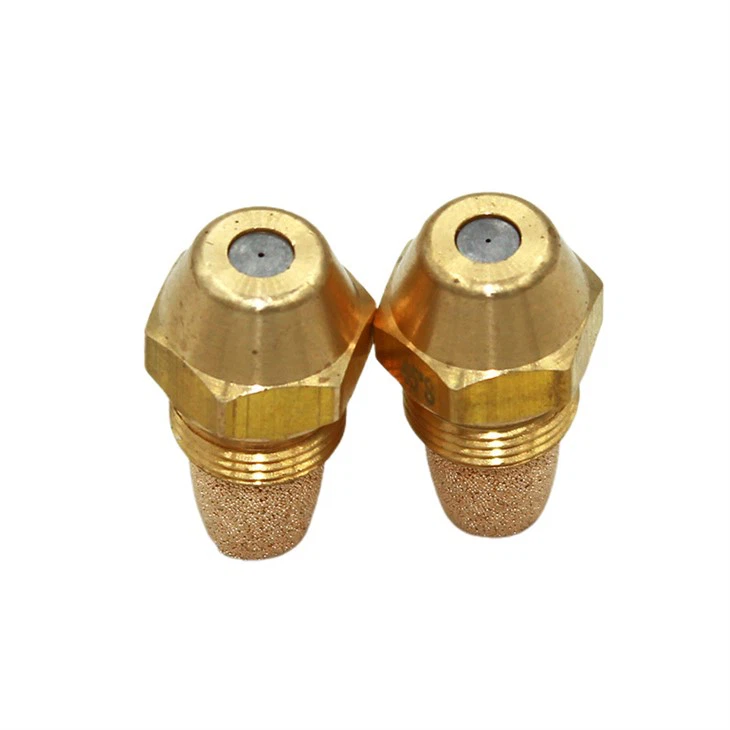
Let's start by understanding what causes nozzle clogging in the first place. There are several culprits, and it's not always the nozzle material itself. One of the main causes is the quality of the water used in the misting system. If the water contains a high level of minerals, sediment, or other impurities, these particles can gradually build up inside the nozzle, eventually causing a blockage. Hard water, in particular, is notorious for leaving behind mineral deposits, such as calcium and magnesium, which can accumulate over time and restrict the flow of water through the nozzle.
Another common cause of clogging is the presence of biological contaminants in the water. Bacteria, algae, and other microorganisms can grow and multiply in the water supply, forming biofilms that can stick to the inside of the nozzle and impede the water flow. This is especially likely in warm and humid environments, where these organisms thrive.
Now, let's talk about brass misting nozzles specifically. Brass is a popular choice for misting nozzles because it's durable, corrosion-resistant, and relatively inexpensive. But does that mean it's more or less prone to clogging than other materials? Well, the truth is, brass nozzles are not inherently more likely to clog than nozzles made from other materials. However, the way they are designed and manufactured can have an impact on their susceptibility to clogging.
One of the advantages of brass misting nozzles is that they can be designed with larger orifices, which allows for a greater flow of water and reduces the likelihood of clogging. Additionally, brass is a smooth material, which means that particles are less likely to stick to the inside of the nozzle compared to rougher materials. However, if the water quality is poor, even a well-designed brass nozzle can become clogged over time.
So, what can you do to prevent clogging in your brass misting nozzles? The first step is to ensure that you're using high-quality water in your misting system. If your water supply is hard or contains a lot of impurities, you may want to consider using a water softener or a filtration system to remove these particles before they reach the nozzles. This can significantly reduce the risk of clogging and extend the lifespan of your nozzles.
Another important step is to regularly clean and maintain your misting system. This includes flushing the system with clean water to remove any built-up debris, and inspecting the nozzles for signs of clogging. If you notice any blockages, you can try using a nozzle cleaner or a small brush to remove the particles. In some cases, you may need to replace the nozzle if it's severely clogged or damaged.
In addition to these preventive measures, you may also want to consider using anti-drip brass misting nozzles. These nozzles are designed to prevent water from dripping out of the nozzle when the system is turned off, which can help to reduce the risk of clogging caused by water standing in the nozzle. You can find more information about Brass Misting Nozzle Anti-Drip on our website.
If you're using your misting system for mosquito control, you may also want to consider using Mosquito Nozzle. These nozzles are specifically designed to produce a fine mist that can effectively disperse mosquito repellent, while also minimizing the risk of clogging.
Finally, if you're looking for a way to cap off the end of your misting system, you may want to consider using a Mist Nozzle End Plug. These plugs are designed to fit securely onto the end of the nozzle, preventing water from leaking out and reducing the risk of clogging.
In conclusion, while brass misting nozzles are not immune to clogging, they are a reliable and durable option for misting systems. By taking the necessary precautions to ensure high-quality water and regular maintenance, you can minimize the risk of clogging and keep your misting system running smoothly.
If you have any questions about our brass misting nozzles or need help selecting the right nozzles for your application, please don't hesitate to contact us. We're here to help you find the best solution for your needs and ensure that you're getting the most out of your misting system.
References:
- Water Quality Association. (n.d.). Water Quality Basics. Retrieved from [Website URL]
- American Water Works Association. (n.d.). Water Treatment and Distribution. Retrieved from [Website URL]
- Misting System Manufacturers Association. (n.d.). Best Practices for Misting System Maintenance. Retrieved from [Website URL]


