


Can a Fogger Nozzle for a Sprayer be Used for Livestock Spraying?
As a leading supplier of fogger nozzles for sprayers, I often receive inquiries from livestock farmers and agricultural professionals about the suitability of our fogger nozzles for livestock spraying. This question is crucial as the health and well - being of livestock depend on proper application of pesticides, disinfectants, and other sprays. In this blog, I will delve into the factors that need to be considered when using fogger nozzles for livestock spraying and provide insights based on scientific knowledge and practical experience.
The Basics of Fogger Nozzles
Fogger nozzles are designed to create a fine mist or fog from a liquid spray. They work by breaking the liquid into small droplets, which can then be dispersed over a large area. The size of the droplets produced by a fogger nozzle is a critical factor. Smaller droplets can stay suspended in the air for longer periods, allowing for better coverage of the target area. However, if the droplets are too small, they may not reach the intended surface and can be easily carried away by air currents.
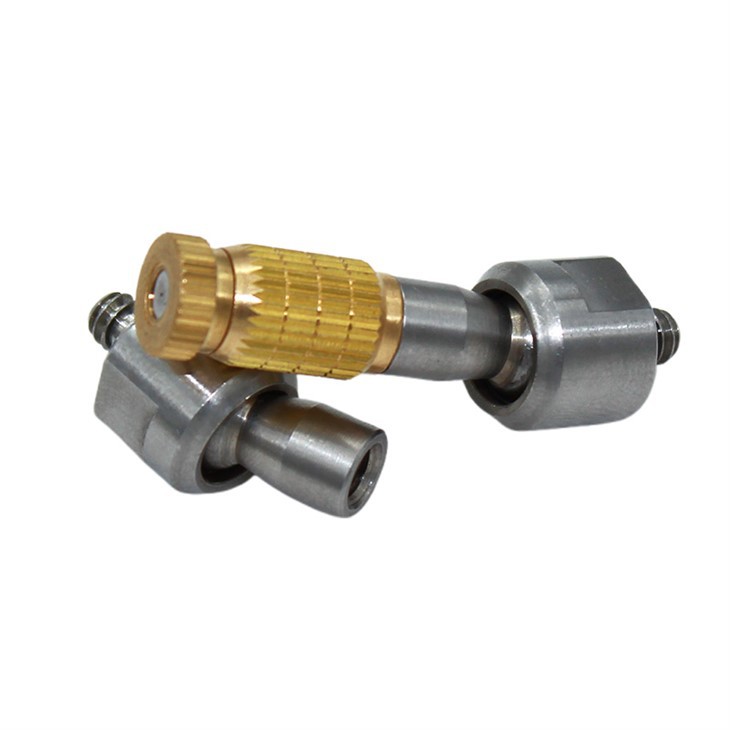
Our company offers a variety of fogger nozzles, such as the Brass Misting Nozzle Anti - Drip 10/24, Standard Misting Nozzle 10/24 Thread, and Cleanable Stainless Steel Misting Nozzle. These nozzles are made from high - quality materials, ensuring durability and consistent performance.
Suitability for Livestock Spraying
When it comes to using fogger nozzles for livestock spraying, several factors need to be taken into account.
Droplet Size
For livestock spraying, the droplet size should be carefully selected. If the droplets are too large, they may not provide uniform coverage and can cause excessive wetting of the animals' coats, which can be uncomfortable for the livestock and may lead to skin problems. On the other hand, if the droplets are too small, they may be inhaled by the animals, which can be harmful if the spray contains pesticides or other chemicals. A medium - sized droplet is often the most suitable for livestock spraying, as it can provide good coverage without causing excessive inhalation or wetting.
Chemical Compatibility
The fogger nozzle must be compatible with the chemicals used for livestock spraying. Different nozzles are made from different materials, and some chemicals can react with certain materials, causing corrosion or degradation of the nozzle. For example, brass nozzles may be suitable for some mild disinfectants but may not be compatible with highly acidic or alkaline pesticides. Our stainless - steel nozzles, such as the Cleanable Stainless Steel Misting Nozzle, are more resistant to chemical corrosion and are a better choice for a wider range of chemicals.
Safety
Safety is of utmost importance when spraying livestock. The fogger nozzle should be designed in such a way that it minimizes the risk of accidental exposure to the chemicals. Anti - drip nozzles, like our Brass Misting Nozzle Anti - Drip 10/24, can prevent the unwanted dripping of chemicals after the spraying is stopped, reducing the risk of animals coming into contact with the chemicals on the ground.
Advantages of Using Fogger Nozzles for Livestock Spraying
Despite the challenges, there are several advantages to using fogger nozzles for livestock spraying.
Uniform Coverage
Fogger nozzles can provide more uniform coverage compared to other types of nozzles. The fine mist created by the fogger nozzle can reach areas that may be difficult to access with traditional sprayers, such as the underbelly and the legs of the animals. This ensures that the entire body of the livestock is treated, reducing the risk of pests and diseases.
Time - Saving
Fogger nozzles can cover a large area in a relatively short period. This is especially beneficial for large - scale livestock farms, where time is of the essence. With a fogger nozzle, farmers can spray a large number of animals quickly and efficiently.
Potential Challenges
However, there are also some potential challenges associated with using fogger nozzles for livestock spraying.
Ventilation
Proper ventilation is required when using fogger nozzles, especially in enclosed spaces. The fine mist can reduce visibility and may cause respiratory problems for both the animals and the operators if the area is not well - ventilated. Adequate ventilation systems should be in place to ensure the safe use of fogger nozzles.
Calibration
Calibrating the fogger nozzle correctly is essential. Incorrect calibration can lead to over - or under - application of the chemicals, which can be ineffective or even harmful to the livestock. Farmers need to follow the manufacturer's instructions carefully to ensure accurate calibration.
Conclusion
In conclusion, fogger nozzles can be used for livestock spraying, but careful consideration must be given to factors such as droplet size, chemical compatibility, and safety. Our range of fogger nozzles, including the Brass Misting Nozzle Anti - Drip 10/24, Standard Misting Nozzle 10/24 Thread, and Cleanable Stainless Steel Misting Nozzle, are designed to meet the specific needs of livestock spraying.

If you are a livestock farmer or an agricultural professional looking for high - quality fogger nozzles for your spraying needs, we encourage you to contact us for more information. Our team of experts can provide you with detailed advice on the most suitable nozzle for your specific situation and help you ensure the health and well - being of your livestock.
References
- [1] Agricultural Spray Technology Handbook, American Society of Agricultural and Biological Engineers.
- [2] "Droplet Size and Its Importance in Pesticide Application", Journal of Agricultural and Food Chemistry.
- [3] "Safety Considerations in Livestock Spraying", Veterinary Medicine Journal.


