


Are Slip Lock Misting Nozzles safe to use?
As a supplier of Slip Lock Misting Nozzles, I often get asked about the safety of these products. Safety is a top - priority concern for both consumers and suppliers, and it's essential to understand the various aspects that contribute to the safe use of Slip Lock Misting Nozzles.
Understanding Slip Lock Misting Nozzles
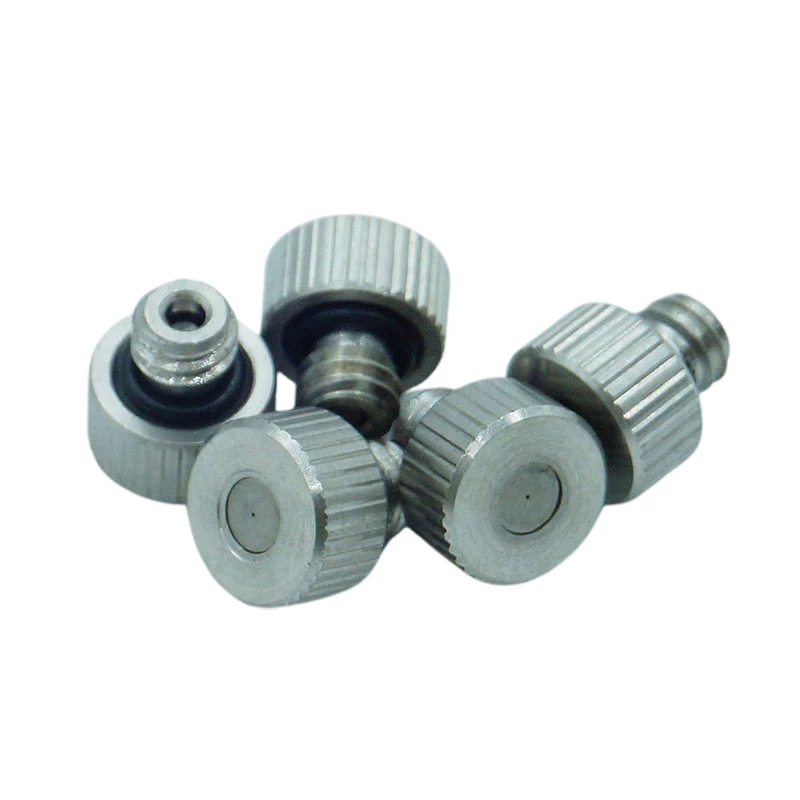
Slip Lock Misting Nozzles are a type of low - pressure misting device. They are designed to create a fine mist by atomizing water. These nozzles are commonly used in a variety of applications, such as cooling outdoor areas, humidifying indoor spaces, and in some industrial processes. Their popularity stems from their ease of installation and relatively low cost.
The Slip Lock Misting Nozzle typically features a slip - lock mechanism that allows for quick and easy attachment to a misting system. This design makes it user - friendly, even for those with limited technical skills. However, like any product, their safe use depends on several factors.
Safety Considerations in Design
One of the key safety features of Slip Lock Misting Nozzles is their construction. High - quality nozzles are made from durable materials that can withstand the pressure and chemical properties of the water being used. For example, many nozzles are made from corrosion - resistant plastics or metals. This ensures that the nozzle does not degrade over time, which could lead to leaks or malfunctions.
The design also takes into account the pressure requirements. Slip Lock Misting Nozzles are designed for low - pressure systems. Operating them within the recommended pressure range is crucial for safety. If the pressure is too high, it can cause the nozzle to break or the misting system to malfunction, potentially leading to water damage or injury.
Water Quality and Safety
The quality of the water used in Slip Lock Misting Nozzles can also impact safety. If the water contains high levels of minerals or contaminants, it can cause blockages in the nozzle. Blocked nozzles not only reduce the efficiency of the misting system but can also increase the pressure within the system, which may pose a safety risk.
To ensure the safe use of the nozzles, it is recommended to use filtered or treated water. This helps to prevent the build - up of scale and debris in the nozzle, prolonging its lifespan and maintaining its safety.
Installation and Maintenance
Proper installation is essential for the safe use of Slip Lock Misting Nozzles. Incorrect installation can lead to leaks, which can cause water damage and potentially create a slipping hazard. When installing the nozzles, it is important to follow the manufacturer's instructions carefully. This includes ensuring that the nozzles are securely attached to the misting system and that all connections are tight.
Regular maintenance is also crucial. This includes checking the nozzles for blockages, leaks, and signs of wear and tear. If a nozzle is damaged or malfunctioning, it should be replaced immediately. By performing routine maintenance, you can prevent potential safety issues and ensure the long - term performance of the misting system.
Comparison with Other Misting Nozzles
When considering the safety of Slip Lock Misting Nozzles, it's useful to compare them with other types of misting nozzles. For example, Misting Nozzle Thread Low Pressure and Fogging Nozzles Low Pressure are also popular in the market.
Slip Lock Misting Nozzles offer a unique advantage in terms of ease of installation. Unlike threaded nozzles, which require tools for installation, slip - lock nozzles can be installed quickly and without the need for special equipment. This reduces the risk of improper installation, which is a common safety concern with other types of nozzles.
Safety in Different Environments
The safety of Slip Lock Misting Nozzles can also vary depending on the environment in which they are used. In outdoor settings, factors such as weather conditions and exposure to sunlight can affect the performance and safety of the nozzles. For example, extreme heat can cause the plastic components of the nozzle to expand, potentially leading to leaks.
In indoor settings, the risk of electrical hazards should be considered if the misting system is connected to an electrical power source. It is important to ensure that all electrical connections are properly insulated and that the system is installed by a qualified professional.
Regulatory Compliance
To ensure the safety of Slip Lock Misting Nozzles, it is important that they comply with relevant industry standards and regulations. Reputable suppliers ensure that their products meet or exceed these standards. This includes testing for factors such as pressure resistance, material quality, and environmental impact.

Conclusion
In conclusion, Slip Lock Misting Nozzles can be safe to use when proper precautions are taken. Their design, water quality, installation, and maintenance all play a role in ensuring their safe operation. By following the manufacturer's instructions, using filtered water, and performing regular maintenance, users can minimize the risk of safety issues.
If you are interested in purchasing Slip Lock Misting Nozzles or have any questions about their safety and performance, we are here to assist you. Our team of experts can provide you with detailed information and guidance to help you make the best decision for your needs. We look forward to the opportunity to discuss your requirements and work with you on your misting system project.
References
- Industry standards for low - pressure misting nozzles
- Manufacturer's guidelines for Slip Lock Misting Nozzles
- Research on the impact of water quality on misting nozzle performance


