


As a supplier of Slip Lock Misting Nozzles, I often get asked about the maintenance requirements of these products. In this blog post, I'll delve into the details to help you understand whether Slip Lock Misting Nozzles are easy to maintain.
Understanding Slip Lock Misting Nozzles
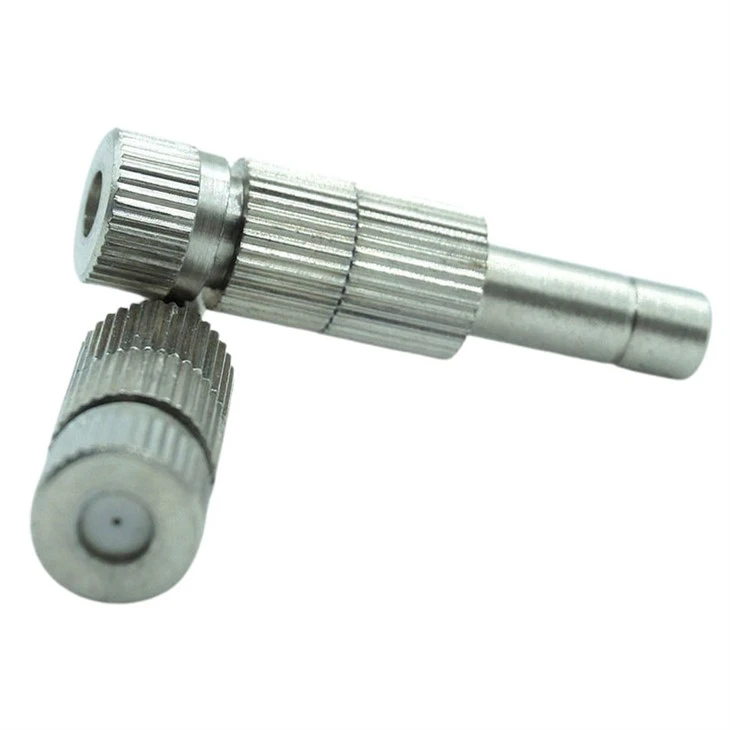
Slip Lock Misting Nozzles are a popular choice for various applications, including cooling outdoor spaces, humidifying greenhouses, and dust suppression in industrial settings. These nozzles are designed to create a fine mist by breaking down water into tiny droplets. The slip-lock mechanism makes them easy to install and remove, which is a significant advantage when it comes to maintenance.
The Slip Lock Misting Nozzle is known for its durability and efficiency. It can operate at low pressures, which reduces the energy consumption and wear and tear on the system. Additionally, the design of the nozzle ensures a consistent and uniform mist pattern, which is essential for achieving the desired results.
Factors Affecting Maintenance
Several factors can influence the ease of maintaining Slip Lock Misting Nozzles. These include the quality of the water used, the frequency of use, and the environment in which the nozzles are installed.
Water Quality
The quality of the water is one of the most critical factors affecting the maintenance of misting nozzles. Hard water, which contains high levels of minerals such as calcium and magnesium, can cause scale buildup inside the nozzles. This scale can clog the small openings in the nozzle, reducing the flow of water and the quality of the mist.
To prevent scale buildup, it is recommended to use a water softener or a filtration system. A water softener removes the minerals from the water, while a filtration system can remove other impurities such as sediment and debris. By using high-quality water, you can significantly reduce the frequency of maintenance and extend the lifespan of your Slip Lock Misting Nozzles.
Frequency of Use
The frequency of use also plays a role in the maintenance requirements of the nozzles. If the nozzles are used frequently, they are more likely to accumulate dirt and debris, which can clog the openings. In such cases, regular cleaning is necessary to ensure optimal performance.
On the other hand, if the nozzles are used infrequently, they may not require as much maintenance. However, it is still important to inspect the nozzles periodically to check for any signs of damage or clogging.
Environment
The environment in which the nozzles are installed can also affect their maintenance. For example, if the nozzles are installed in an area with a lot of dust or debris, they are more likely to get clogged. In such cases, it may be necessary to install a protective cover or a filter to prevent the dust from entering the nozzles.
Similarly, if the nozzles are exposed to extreme temperatures or harsh chemicals, they may require more frequent maintenance. It is important to choose nozzles that are designed to withstand the specific environmental conditions in which they will be used.
Maintenance Procedures
Despite the factors that can affect maintenance, Slip Lock Misting Nozzles are generally easy to maintain. Here are some simple maintenance procedures that you can follow to keep your nozzles in good working condition.
Regular Inspection
Regular inspection is the first step in maintaining your Slip Lock Misting Nozzles. You should inspect the nozzles at least once a month to check for any signs of damage or clogging. Look for any visible signs of scale buildup, dirt, or debris on the nozzles. If you notice any issues, you should clean or replace the nozzles as soon as possible.
Cleaning
Cleaning the nozzles is an essential part of maintenance. You can clean the nozzles using a mild detergent and warm water. Soak the nozzles in the solution for a few minutes, and then use a soft brush to gently scrub the openings. Rinse the nozzles thoroughly with clean water and let them dry before reinstalling them.
If the nozzles are severely clogged, you may need to use a descaling solution to remove the scale buildup. Follow the instructions on the descaling solution carefully, and make sure to rinse the nozzles thoroughly after using the solution.
Replacement of Parts
Over time, some parts of the Slip Lock Misting Nozzles may wear out or get damaged. In such cases, it is important to replace the parts as soon as possible to ensure optimal performance. You can easily replace the nozzles, gaskets, and other parts using the Slip Lock Misting Kit Low Pressure Nozzle. This kit contains all the necessary parts for maintaining and repairing your misting system.
Benefits of Easy Maintenance
The easy maintenance of Slip Lock Misting Nozzles offers several benefits. Firstly, it reduces the downtime of the misting system. Since the nozzles are easy to clean and replace, you can quickly get the system up and running again if there are any issues.
Secondly, easy maintenance can save you money in the long run. By preventing clogging and damage to the nozzles, you can extend their lifespan and reduce the need for frequent replacements. Additionally, using high-quality water and performing regular maintenance can reduce the energy consumption of the system, which can result in lower utility bills.
Conclusion
In conclusion, Slip Lock Misting Nozzles are generally easy to maintain. By following simple maintenance procedures and taking into account the factors that can affect maintenance, you can keep your nozzles in good working condition for a long time.
If you are interested in purchasing Slip Lock Misting Nozzles or have any questions about their maintenance, please feel free to contact us. We are a leading supplier of misting nozzles and can provide you with high-quality products and expert advice. Our team of professionals is dedicated to helping you find the best solutions for your misting needs.

References
- Manufacturer's guidelines for Slip Lock Misting Nozzles
- Industry best practices for misting system maintenance


